
Toyota, Hyundai, and Others Cut EV Discounts as $3,500 California EV Rebate Lands
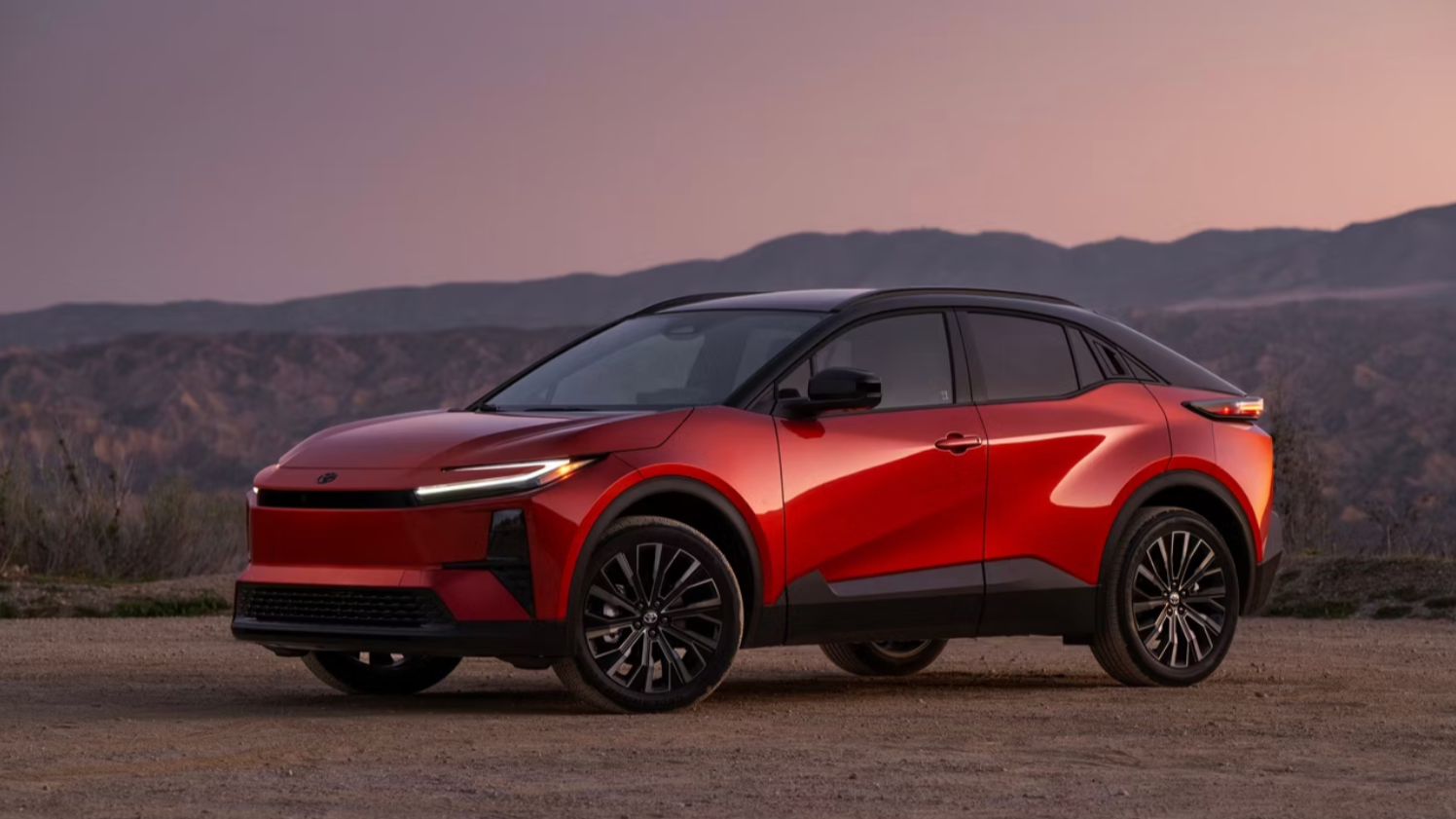
Shoppers may not see the full $3,500 in additional savings from the MyFirstEV California rebate, as automakers trim their own incentives and set rules on eligibility.
California launched its MyFirstEV incentive program on August 3, with many automakers participating shortly thereafter. The program helps drive EV demand now that the $7,500 federal tax credit is gone.
If you’ve been waiting for an automaker to participate — and expected to save $3,500 compared to before the incentive — then you may be disappointed. From Hyundai to Toyota, manufacturer incentives fell the month MyFirstEV became available, while other brands set rules that prohibit stacking MyFirstEV with other offers.
Here’s how MyFirstEV works
MyFirstEV is a partnership between the state of California and automakers. California and participating automakers each put in $135 million, for $270 million in total. Each rebate is split the same way:
California pays $1,750.
The automaker matches it with another $1,750.
Eligible buyers and lessees get a $3,500 incentive toward a new EV at the point of sale.
Who qualifies: Only California residents buying or leasing their first zero-emission vehicle. Each person can only get the incentive once; participants must self-attest to follow program rules.
Which cars qualify: New EVs must have a base MSRP of $50,000 or less. Automakers headquartered in California, such as Rivian and Lucid, are exempt from that cap.
When the money runs out: Each automaker has its own share of funds. Once a brand uses up its share, that brand stops offering the incentive.
The law gives automakers some freedom in how to apply the money, including which models get it. Even a model that is technically eligible for MyFirstEV may not receive the incentive.
A note on manufacturer incentives and programs
Automakers’ finance companies set rates and incentives with various factors in mind. They weigh days’ supply of inventory, their borrowing costs, and monthly sales goals. Lease residual values, money factors, and incentives all change based on forecasted demand for a given model.
We’re not suggesting any automaker made its leases more expensive in California solely because of the MyFirstEV incentive. But for shoppers, the end result is what matters, and we think you should know how much you are truly saving.
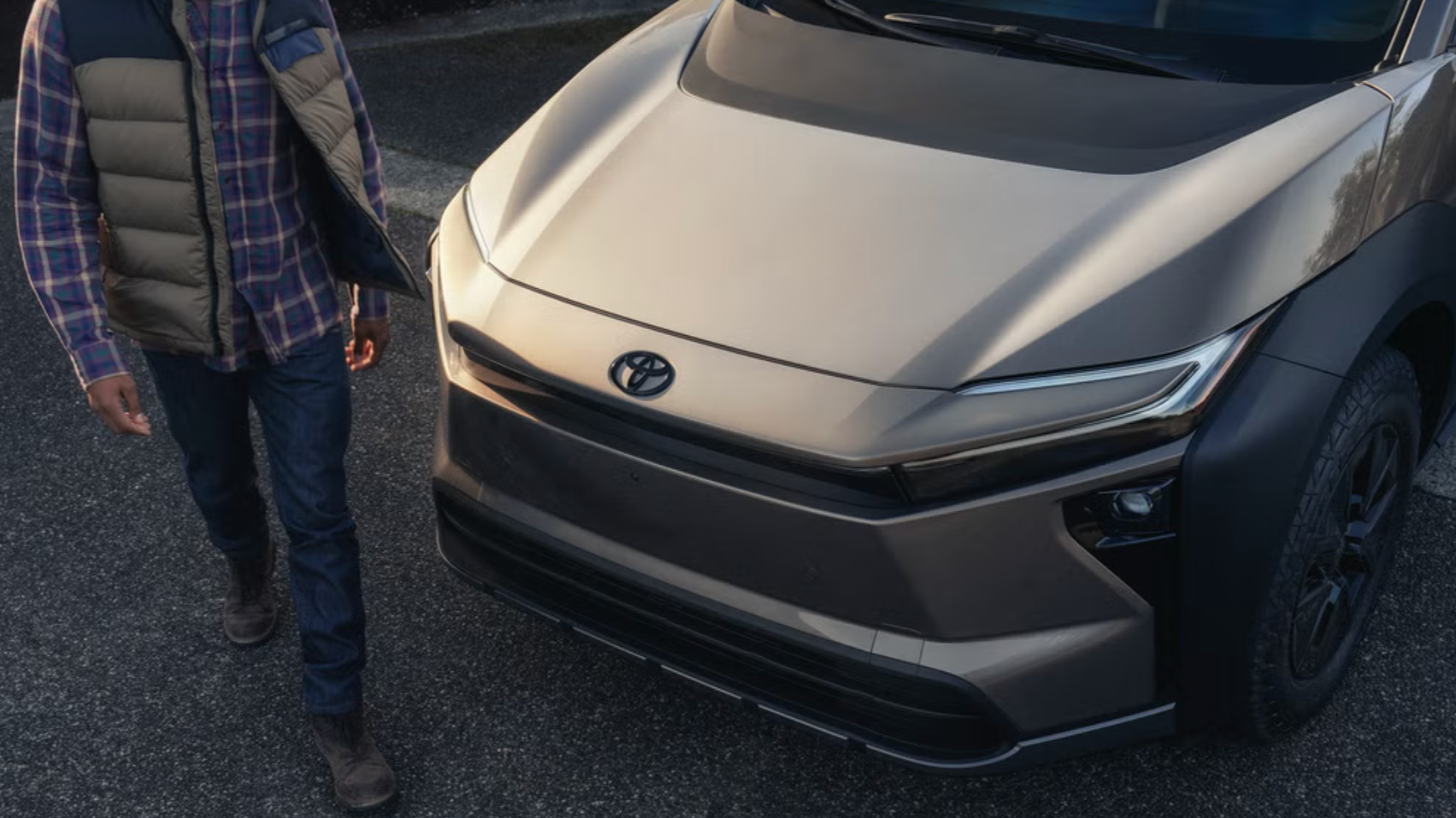
Toyota: Reduced lease cash on EVs in September
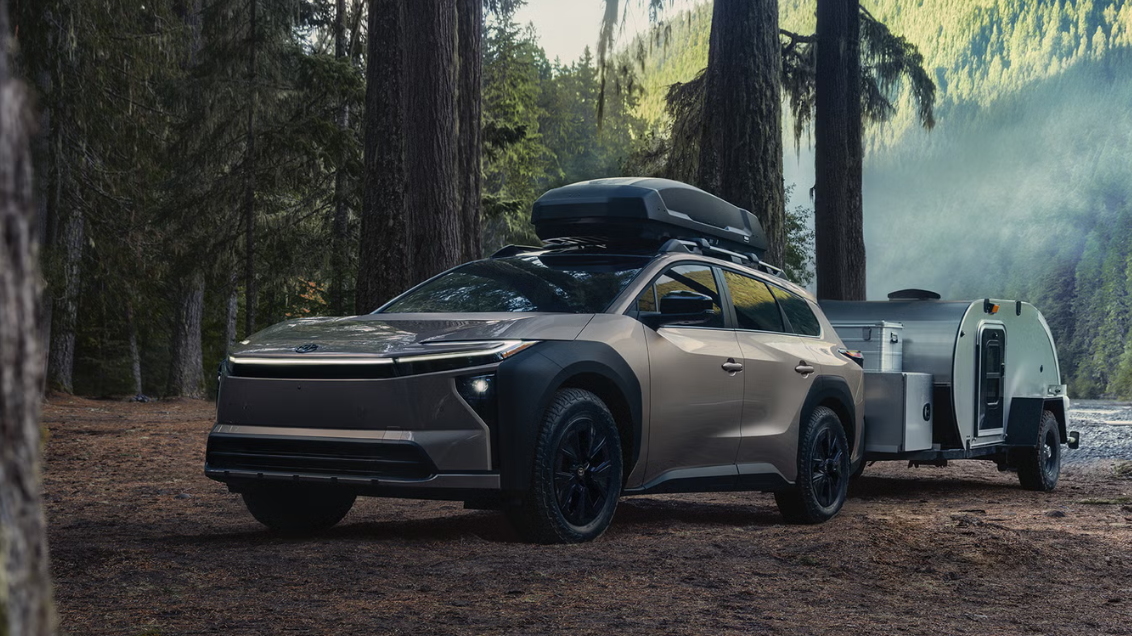
September is the first month of MyFirstEV for Toyota. Compared to August, Toyota lowered manufacturer incentives for all EV models in California:
Toyota bZ XLE FWD: Lease cash dropped from $4,000 to $1,500, while the residual value fell by one percent. Cost increased by approximately $2,900.
Toyota bZ Woodland AWD: Lease cash dropped from $4,000 to $1,000. Cost increased by approximately $3,000.
Toyota C-HR SE AWD: Lease cash dropped from $2,000 to $0, while the money factor rose from .00001 (0.02% APR) to .00063 (1.54% APR). Cost increased by approximately $3,200.
Regardless of model, it will cost more to lease a Toyota EV in September.
But if you qualify for MyFirstEV, the $3,500 rebate covers that increase and leaves you between $300 to $600 better off than August — assuming the dealer discount stays the same. (More on that later.)
Lexus: The $3,500 incentive that saves $1,000
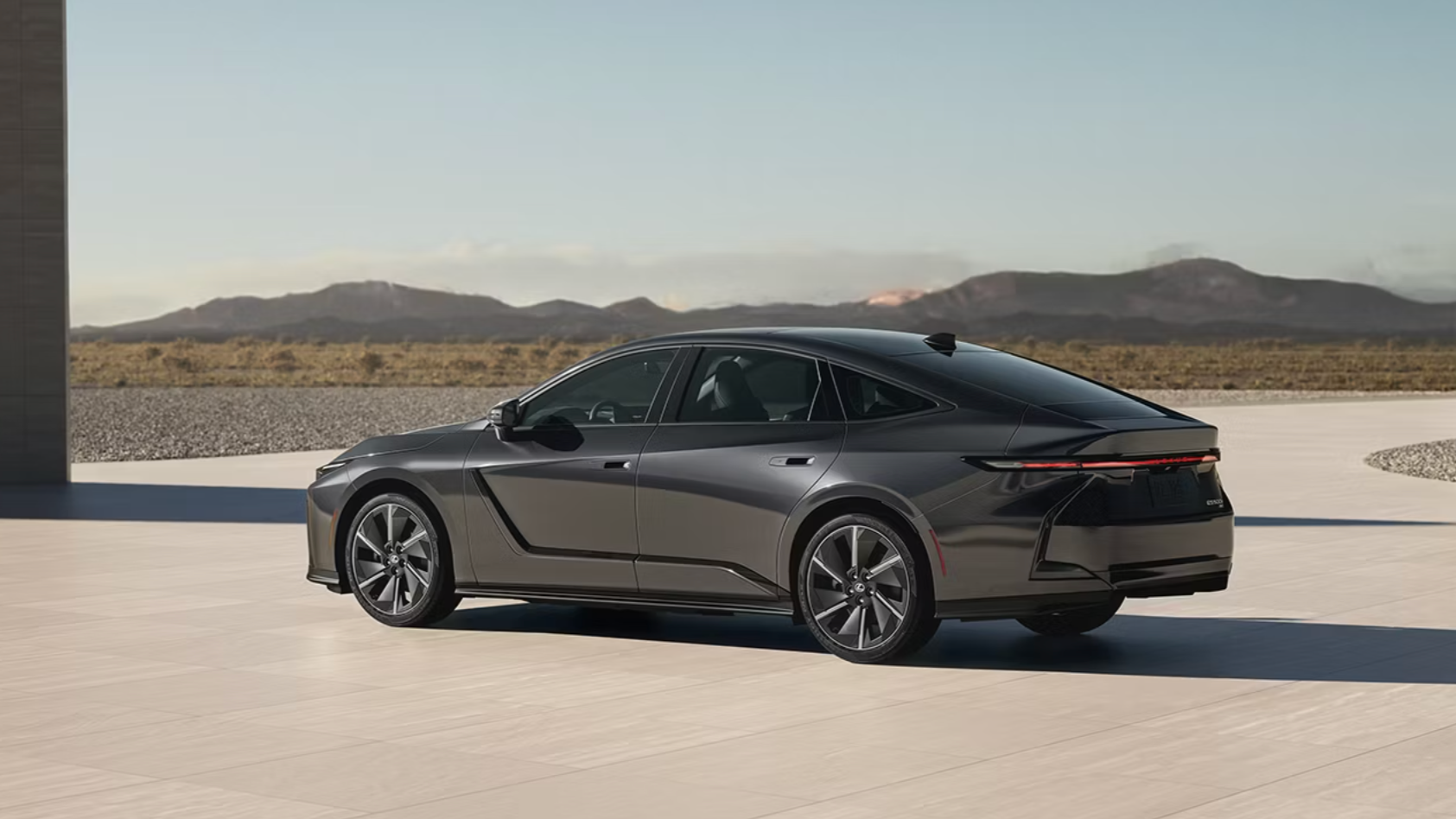
Lexus may be the luxury division of Toyota, but it handled the rollout of the MyFirstEV incentive differently.
Unlike the Toyota-branded EVs that became more expensive in September, lease programs for the all-electric Lexus ES 350e significantly improved this month, making it a compelling lease in California:
Increased Lease Cash: Lexus added $2,500 in manufacturer incentives (“MyFirstLexus”) available to all lessees.
Reduced Money Factor: Lexus Financial Services lowered the money factor from .00240 (5.76% APR) to .00150 (3.6% APR), saving approximately $2,400 in rent charges over a 36-month lease.
Altogether, an ES 350e costs approximately $4,900 less to lease in September compared to August, even without the MyFirstEV rebate.
Now, you would think an additional $3,500 in savings from MyFirstEV would be the cherry on top, but unfortunately, the California incentive cannot be combined with the standard $2,500 lease cash. So the net benefit of MyFirstEV on a 2026 Lexus ES 350e is approximately $1,000.
Cadillac: No limitations on stacking
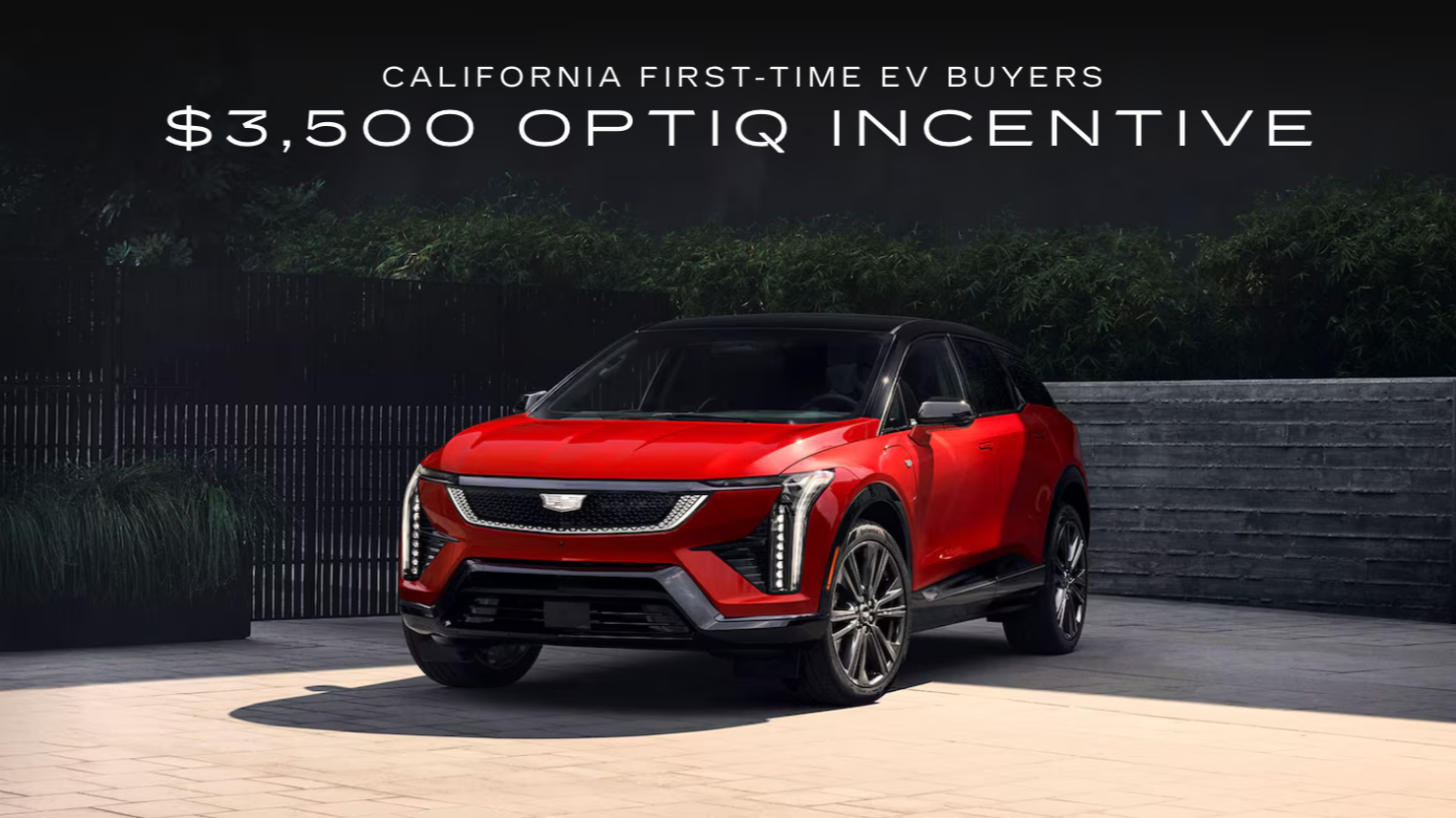
For the 2027 model year, Cadillac lowered the MSRP of the OPTIQ to $49,995, making it eligible for the MyFirstEV incentive because it now falls below the $50,000 price cap.
September was also Cadillac’s first month of the MyFirstEV incentive, and compared to August, the cost of a 24-month OPTIQ lease increased by approximately $500. The residual value dropped by one percent, while the money factor fell slightly.
Unlike with Lexus, the $3,500 MyFirstEV incentive can be stacked with all other OPTIQ incentives. This month, we have seen OPTIQ leases with MyFirstEV as low as $380 per month with $2,139 due at signing, which is amazing for a well-equipped $52,000 luxury crossover.
Honda: MyFirstEV or Conquest, but not both
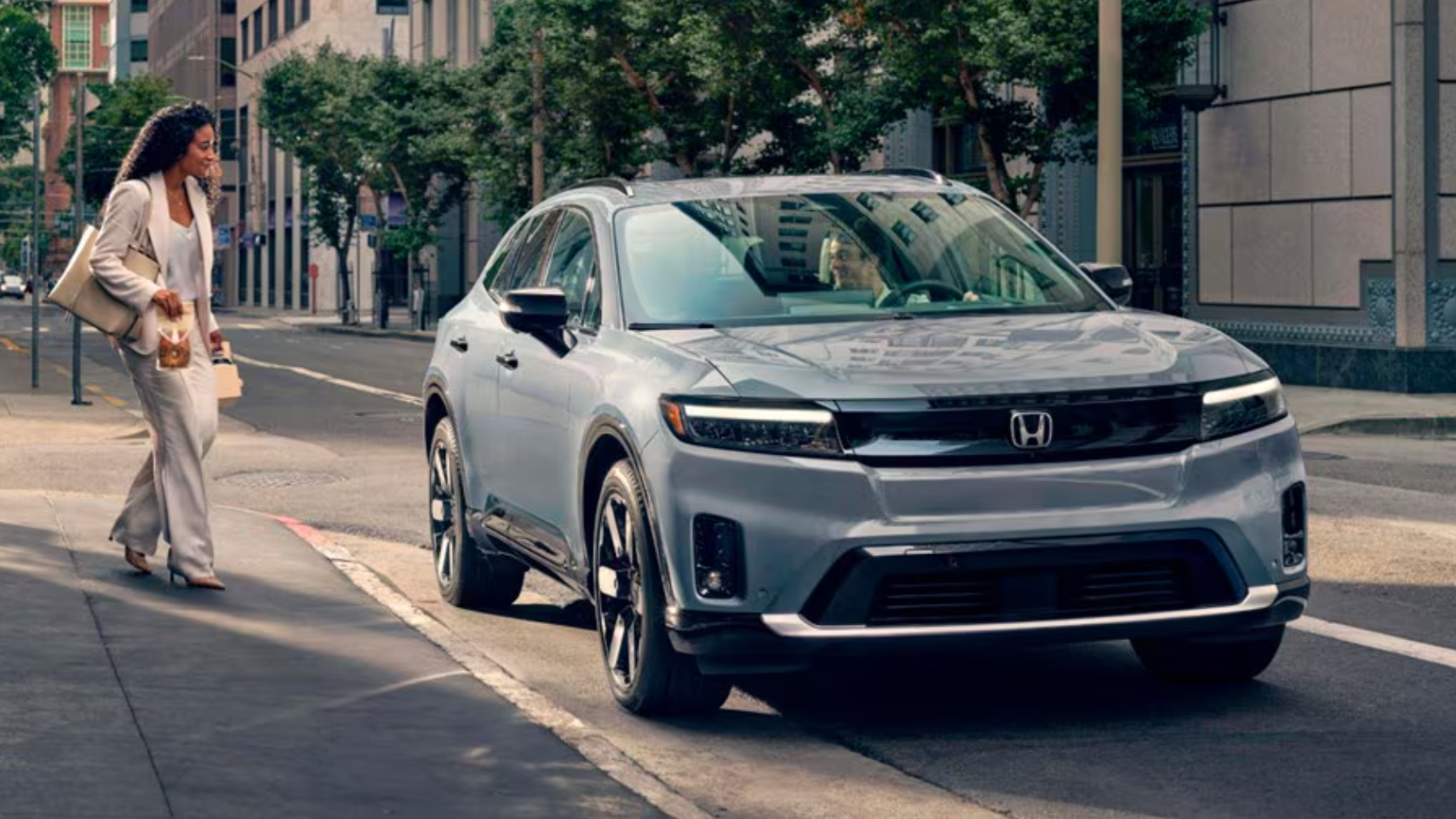
Honda also launched the MyFirstEV incentive in September. Compared to the previous month, the cost of leasing a Prologue EV stayed steady — at least in terms of the rates, residuals, and incentives that a manufacturer can control. Dealers are another story.
One downside: the $3,500 MyFirstEV incentive cannot be combined with the popular $2,000 Conquest incentive, which is available to current owners or lessees of any 2011 or newer Chevrolet, Ford, GMC, Hyundai, Jeep, Kia, Mazda, Nissan, RAM, Subaru, Tesla, Toyota, or Volkswagen vehicle.
For someone who currently has one of those competing brands, the net benefit of MyFirstEV is approximately $1,500. That's close to the state's $1,750 contribution, and still a worthwhile bonus.
Hyundai: Reduced incentives with MyFirstEV rollout
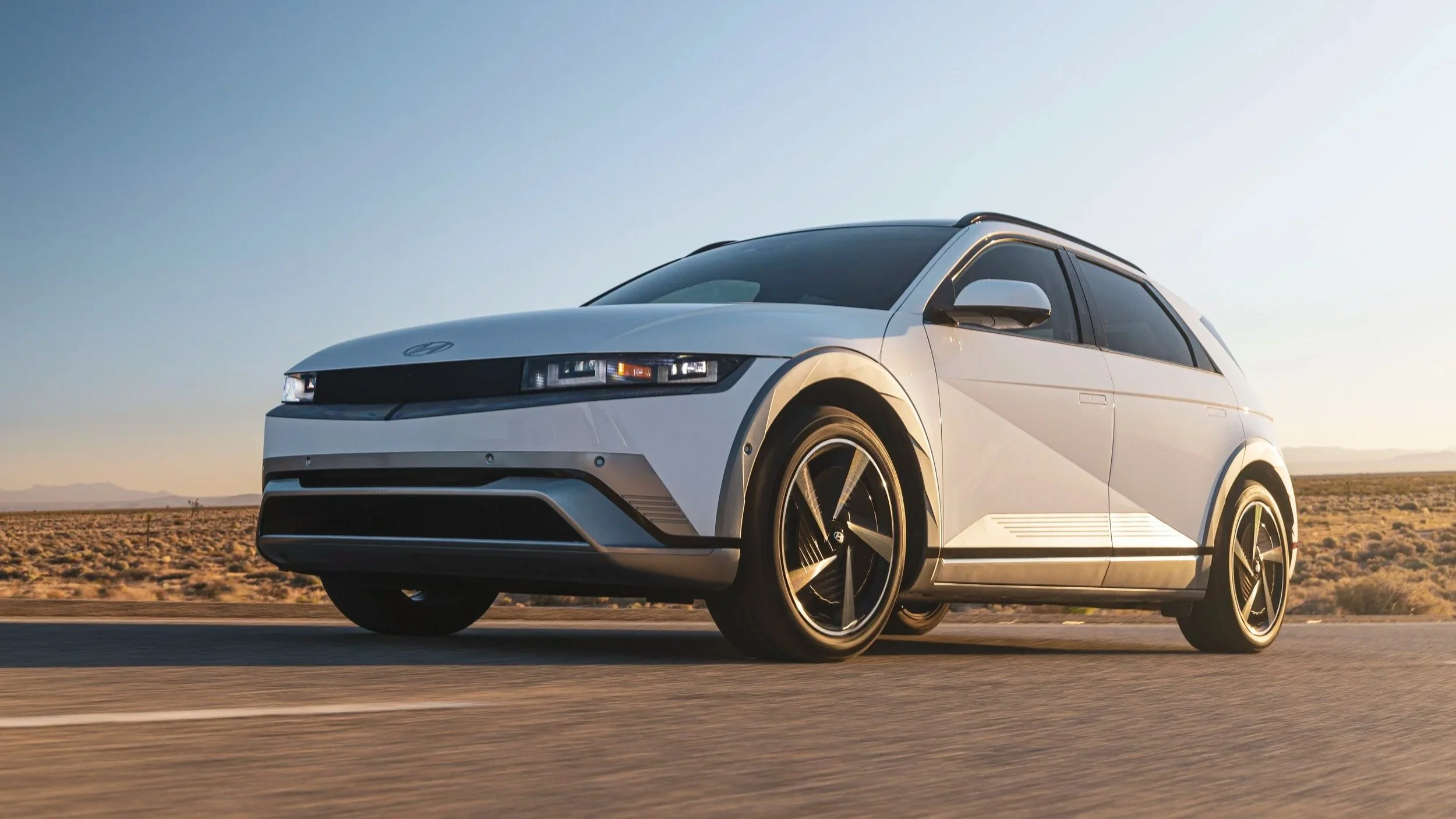
Hyundai launched MyFirstEV on the IONIQ 5 crossover early in August.
Compared to July, the cost of leasing a 2026 Hyundai IONIQ 5 in California increased by approximately $900 in August, and it increased another $1,500 in September.
If you qualify for the $3,500 MyFirstEV incentive, a September lease comes out about $1,300 cheaper than July, the last month before the program. This comparison is based on rates, residuals, and incentives alone — and assumes that the same dealer discount is being applied across the months.
2026 Hyundai IONIQ 5 SEL RWD: 24-month HMF lease program
| July 2026 | August 2026 | September 2026 | |
|---|---|---|---|
| Residual value | 64% | 62% | 62% |
| Money factor in APR | 5.1% | 4.8% | 5.2% |
| Manufacturer incentive | $7,500 | $7,250 | $6,000 |
| Total lease cost* | $11,500 | $12,400 | $13,900 |
| Total lease cost with MyFirstEV* | N/A | $8,700 | $10,200 |
*Depreciation plus rent charges, before taxes and fees, assuming no dealer discount and 7,500 mi/year.
Tesla: A useful inventory-clearing tool
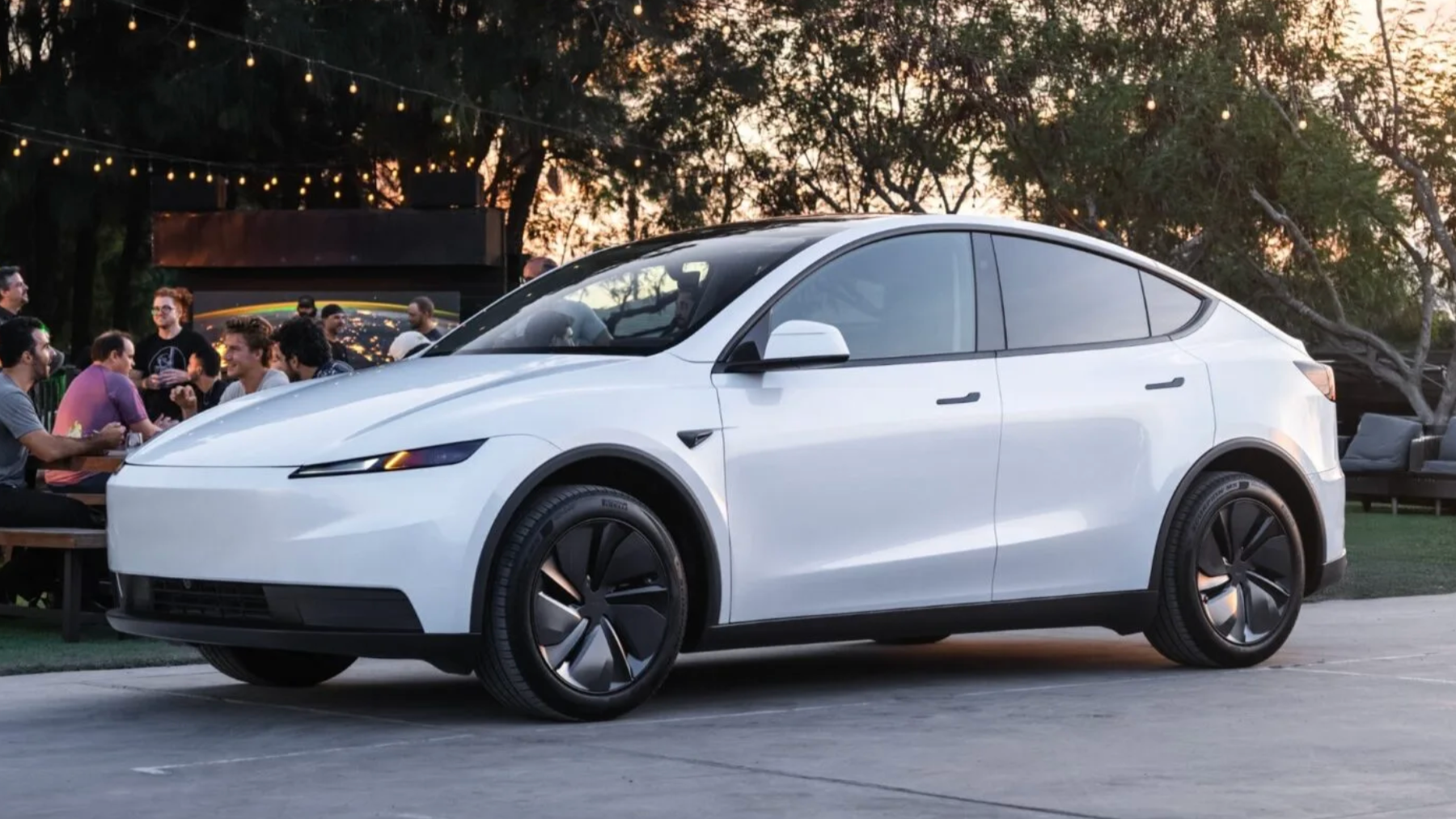
Tesla was one of the first brands to launch the MyFirstEV incentive, and it used up its share of funds in about five days.
Tesla said publicly that the incentive was for existing inventory only, though many buyers received it on custom orders too. Targeting inventory vehicles made sense for Tesla: it helped move pricier cars off the lot, especially ones with high-margin options like premium paint and upgraded wheels that can add $3,500 to the price of a Model 3 or Model Y.
Rivian: R1 now, R2 maybe never

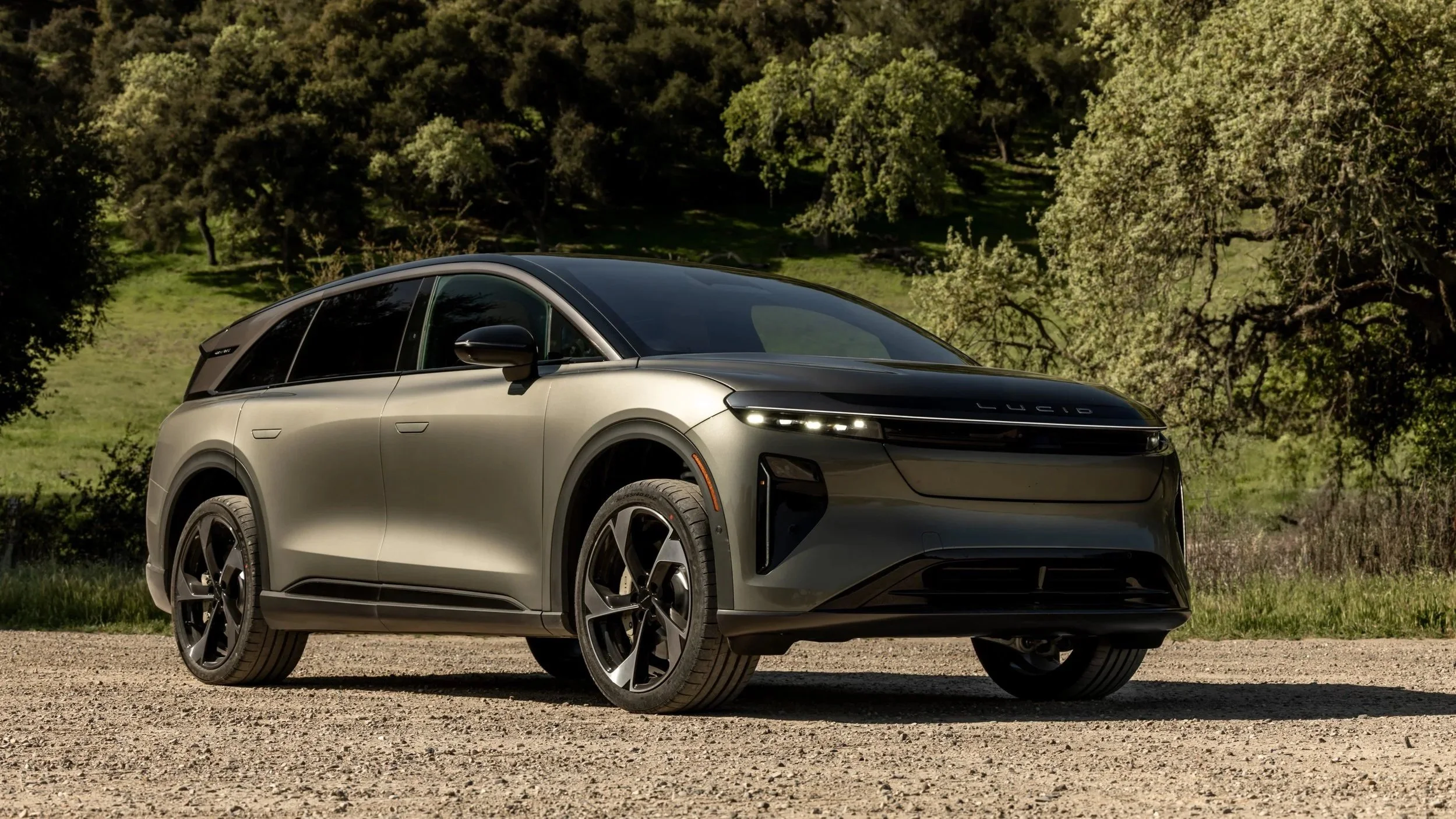
Because Rivian is based in California, it’s exempt from the $50,000 MSRP cap, and so far the EV maker is steering the rebate toward the models that need help most.
Currently, the $3,500 MyFirstEV incentive only applies to 2026 R1T and R1S models, which start at $79,990 and $83,990 respectively. Rivian also lets buyers combine MyFirstEV with its other lease or finance promotions.
The popular R2 is not included. Deliveries for R2 started in June at around $58,000, and early buyers have been happy to pay full price without any state help. If you're lucky enough to have an R2 on the way soon, don't expect MyFirstEV to apply.
Dealers are pulling back too — not just automakers
Automaker programs are only part of the story. Aside from Lucid, Rivian, and Tesla, which sell directly, new cars are sold through independent dealerships.
The automakers set the lease program — broadly, the incentives, residual values, and money factors that shape what a lease costs — but the dealer sets the selling price, and that variable matters just as much.
The comparisons above assume the selling price stayed the same month to month as MyFirstEV became available. That may be optimistic. Since the program rolled out, we're seeing smaller dealer discounts off MSRP on EVs in California. Dealers report more interest in their EV models, and with supply roughly fixed, basic supply and demand says prices go up.
A weaker discount — or worse, a dealer markup — can swallow whatever savings MyFirstEV leaves you. So shop around and know what a competitive lease deal looks like in your market. It's as important as ever.
Why this isn't like the old federal credit
The $7,500 federal credit worked alongside fuel economy standards and tailpipe emissions limits that pushed automakers to build EVs. Dealers had plenty of EVs to sell, and dealers had every reason to discount them heavily to clear the lots.
Those rules were rolled back in 2025. Without the compliance pressure, automakers aren't overbuilding EVs the way they used to, so there’s far less inventory sitting on dealer lots today. With supply down, prices are more sensitive to the increases in demand caused by government incentives.
First-Come, First-Served
For first-time EV shoppers in California, waiting for deals to improve may be a losing bet. Two limited resources are being used up at the same time:
1. Rebate funds. Each automaker's MyFirstEV money is first come, first served. Once your brand runs out, the $3,500 is gone for that brand, no matter how much money the state program still has overall.
2. Dealer inventory. As mentioned, automakers are no longer overbuilding EVs for compliance. When the rebate brings in more shoppers, the cars on lots aren't as quickly replaced. We're seeing reduced dealer discounts on EVs since MyFirstEV rolled out.
The bottom line
There are still good EV deals out there. If you're a California resident getting your first EV, most models should cost you less overall than they did before the program. Just don't expect them to always be a full $3,500 cheaper.
Negotiating well starts with knowing what you should be paying. Use the Leasehackr Calculator to build an aggressive but realistic target deal for yourself, based on the actual manufacturer incentives, residuals, and rates for the car you want.
The Leasehackr Forum will show you how it's done, and it’s where members share what they're signing right now. Then, if the numbers work, don't wait.
Get a MyFirstEV deal without the negotiating
The quickest way to lock in a deal is Leasehackr Pre-Negotiated Deals. Right now, there are 21 EV deals available in California that work with MyFirstEV, including:
Skip the haggling and move before the car you want is sold out.
Founded in 2015, Leasehackr is the web’s authoritative resource on all things car leasing. Join Leasehackr to discover the latest deals, learn negotiation techniques, and chat about all things automotive with our community.